
H
Horst Insurance Library Trusted Education Since 2015
Happy family protected by insurance
Free Educational Resources

Master Your Insurance
Protect Your Future

The definitive guide to understanding policies, uncovering hidden discounts, and ensuring your family is properly protected.

Latest Expert Guides

Car driving on road
Auto Insurance

How to Reduce Your Auto Insurance Premiums Fast (2025 Guide)

Learn the mathematical levers you can pull to lower your premiums without sacrificing coverage...

Michael Ross 18 min read
Dog running
Pet Insurance

Pet Insurance 101: Is It Worth the Monthly Cost?

From "Accident Only" to full wellness plans. We analyze the breakeven points for dog and cat owners...

Dr. Emily Chen 22 min read
Apartment interior
Renters Insurance

Why You Need Renters Insurance (Even If Your Landlord Doesn't Require It)

Protecting your laptop, clothes, and liability for less than the cost of a pizza per month...

Sarah Jenkins 18 min read
Storm clouds
Critical Coverage

Natural Disaster Insurance: What Your Home Policy Excludes

Floods, earthquakes, and landslides are NOT covered by standard policies. Here is how to close the gap...
Mark Roberts 25 min read
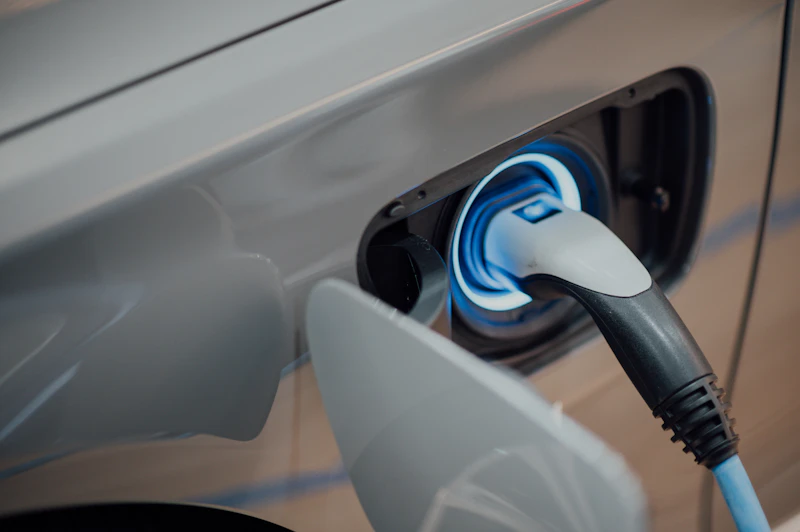
Electric car charging
Auto Trends

EV vs. Gas Car Insurance: Why Electric Vehicles Cost More to Insure

Specialized parts, sensors, and battery packs drive up premiums. Here is how to offset the cost...

Michael Ross 9 min read
Suburban house
Home Insurance

Home Insurance Explained for Beginners: Coverage A to F

Most homeowners don't read their policy until disaster strikes. Here is exactly what is covered...

Jennifer Wu 12 min read
Discounts and money
Savings Strategies

10 Hidden Discounts Most Insurance Companies Won't Tell You About

A checklist to review with your agent to ensure you are squeezing every dollar out of your premium...

Sarah Jenkins 15 min read
Gavel and scales of justice
Legal & Liability

What Is Liability Coverage? Bodily Injury & Property Damage Explained

Liability coverage is the shield that protects your life savings. Understand split limits and umbrella policies...

Legal Desk Team 9 min read
Father holding child
Life Insurance

How to Compare Life Insurance Policies Like a Professional

Term vs Whole Life? How much coverage do you really need? We break down the math for families...

Robert Sterling, CFP 15 min read
Auto insurance concept
Auto Insurance

How to Reduce Your Auto Insurance Premiums Fast (2025 Guide)

By Michael Ross | Updated October 15, 2024

Auto insurance rates have skyrocketed across the United States, leaving many drivers feeling helpless as their premiums consume a larger portion of their monthly budget. Inflation, rising repair costs, and increased accident frequency are driving these hikes. However, the insurance industry is built on a complex risk algorithm, and understanding this algorithm is the key to unlocking significant savings. Nearly 45% of drivers have never compared quotes or tested whether their current policy is competitively priced, relying on "loyalty" that often costs them hundreds of dollars a year. In this comprehensive guide, we break down the specific, actionable levers you can pull to immediately reduce your auto insurance premiums without leaving yourself vulnerable.

1. The "Bundling" Multiplier Effect

The single most effective way to lower your auto insurance premium is through "multi-line" discounts, commonly known as bundling. Insurance carriers are desperate for retention; they know that a customer with two policies is significantly less likely to switch than a customer with one. To encourage this, they offer massive discounts—often up to 25%—when you combine Auto with Homeowners, Renters, or Condo insurance.

The Math of Bundling: Let's say your auto insurance is $1,200/year. A 20% bundling discount saves you $240. If a Renters insurance policy costs $180/year, the discount alone pays for the entire renters policy, plus puts $60 extra in your pocket. You essentially get free property coverage and cash back.

Action Step: If you currently rent and don't have renters insurance, get a quote from your auto carrier immediately. If you own a home and have separate carriers, ask both for a "bundled quote" to see who wins.

2. Telematics: The "Big Brother" Bonus

Usage-Based Insurance (UBI), or telematics, has revolutionized the industry. Programs like Progressive's Snapshot, Allstate's Drivewise, or State Farm's Drive Safe & Save allow the insurer to track your actual driving habits rather than relying on demographic averages.

How It Works

You install a mobile app or a small device in your car's OBD-II port. The device monitors:

  • Hard Braking: Sudden stops are a leading indicator of distracted driving or following too closely.
  • Time of Day: Driving between 11 PM and 4 AM is considered high-risk due to fatigue and impaired drivers on the road.
  • Mileage: The fewer miles you drive, the lower your risk exposure.
  • Phone Usage: Some apps now detect if you are handling your phone while the car is moving.

The Savings: Safe drivers can see rate reductions of 30% to 40%. However, this is a double-edged sword. In some states, risky driving detected by the device can actually raise your rates.

Who Should Do This? If you work from home, drive casually, and are generally a defensive driver, this is free money. If you have a long commute in stop-and-go traffic (which forces hard braking) or work a night shift, telematics might penalize you.

3. The Credit Score Correlation

In 46 states (excluding CA, HI, MA, and MI), insurers are legally allowed to use your "Credit-Based Insurance Score" (CBIS) to determine your premium. Actuarial data shows a strong correlation between credit history and the likelihood of filing a claim.

Drivers with "Poor" credit can pay double the premiums of drivers with "Excellent" credit, even if they have identical driving records.

How to Fix It Fast

You don't need a perfect 800 FICO score to see benefits. The biggest factor for insurance scores is often Credit Utilization.

  • Strategy: If you carry high balances on credit cards, pay them down below 30% utilization before your insurance renewal.
  • Dispute Errors: Check your credit report for inaccuracies. Removing a false late payment can bump your tier from "Fair" to "Good," triggering an automatic rate drop at renewal.

4. Strategic Deductible Management

Your deductible is the amount you pay out-of-pocket before insurance kicks in. Many drivers default to a $250 or $500 deductible out of habit, but this is often financially inefficient.

The Calculation: Raising your deductible from $500 to $1,000 can reduce your Collision and Comprehensive premiums by 15% to 30%.

Example: If raising your deductible saves you $300/year, and you go 4 years without an at-fault accident, you have saved $1,200—more than enough to cover the difference in deductible if an accident eventually happens.

Warning: Only raise your deductible if you have the funds sitting in an emergency savings account. Never risk being unable to repair your car to get to work.

5. The Vehicle "Symbol" Factor

Every car is assigned an insurance "symbol" by ISO (Insurance Services Office) based on its claim history. High-performance cars, vehicles with expensive parts (like EVs or luxury imports), and cars frequently targeted by thieves (like certain Kia and Hyundai models without immobilizers) have higher symbols and higher premiums.

Before You Buy: Always get an insurance quote before signing the papers for a new car. A sporty sedan might cost $50/month more to insure than a comparable crossover, changing the total cost of ownership significantly.

Safety Feature Discounts

Modern cars with ADAS (Advanced Driver Assistance Systems) like automatic emergency braking, lane keep assist, and blind-spot monitoring often qualify for safety discounts. Ensure your agent lists every safety feature your car has—it's not always automatic.

6. Auditing Your Coverage: What Do You Really Need?

As your car ages, its value depreciates. If you are driving a 15-year-old sedan worth $3,000, but you are paying $800/year for Collision and Comprehensive coverage, you are likely over-insuring.

The "10% Rule": If the annual cost of Comprehensive and Collision coverage exceeds 10% of your car's cash value, it is time to consider dropping them. You would essentially be pre-paying for the car's replacement value every few years.

Note: Never drop Liability coverage. Liability protects your life savings from lawsuits. We recommend high limits (100/300/100) for liability, but you can be frugal with physical damage coverage on older cars.

7. Discount Hunting: The Checklist

Insurers offer dozens of niche discounts that agents might forget to apply unless you ask. Run through this checklist at every renewal:

  • Good Student Discount: For drivers under 25 with a "B" average (3.0 GPA) or higher. Savings: ~15%.
  • Student Away at School: If your child is at college over 100 miles away without a car, they are rated as a "distant student." Savings: ~30%.
  • Defensive Driving Course: In many states (like NY, NJ, DE), taking a 6-hour online course guarantees a discount for 3 years. Cost: $25. Savings: Hundreds.
  • Low Mileage: If you drive less than 7,500 miles/year, tell your agent. You might be rated as a "Pleasure Use" driver rather than a commuter.
  • Affinity Groups: Alumni associations, credit unions, engineering societies, and even wholesale clubs (Costco/BJ's) often have group rates.
  • Paperless / Auto-Pay: Small but easy. Savings: ~$50/year.
  • Paid-in-Full: Paying the 6-month premium upfront often knocks 5-10% off the total bill compared to monthly installments.

8. The Loyalty Trap: Shop Every 6-12 Months

Insurance companies use "Price Optimization" algorithms. They analyze data to predict how likely you are to switch carriers. If their data shows you are a loyal customer who doesn't shop around, they may slowly creep your rates up—a "loyalty tax."

The Strategy: Shop your policy at least once a year. It takes 15 minutes to get comparative quotes. Even if you don't want to switch, you can call your current carrier and say, "I received a quote from [Competitor] for $200 less. Can you review my policy to see if I'm missing any discounts?" Often, they will find "magical" savings to keep you.

9. Continuous Coverage (No Lapses)

Never, ever let your insurance lapse. Even a 1-day gap in coverage sends a signal to insurers that you are high-risk. When you try to buy insurance again, you will be placed in a "non-standard" or "high-risk" tier, paying 50% more for the same coverage.

If you are selling a car and won't be driving for a while, ask for a "Named Non-Owner" policy. It's cheap and keeps your insurance history continuous, preserving your "Good Customer" status for when you buy a car again.

10. Location Tricks (Legal Ones)

Insurance is priced by ZIP code. If you are moving, check insurance rates before you sign a lease. Moving two blocks over across a ZIP code boundary could save (or cost) you significantly if the new area has lower theft or accident rates.

Warning: Never lie about your garaging address. That is insurance fraud (Rate Evasion) and can cause your claims to be denied. But do ensure your insurer has your correct address—if you moved from the city to the suburbs and forgot to update them, you are likely overpaying.

Conclusion: Take Control of Your Rate

Auto insurance is not a fixed tax; it is a dynamic product priced on risk. By lowering your risk profile (telematics, credit score), optimizing your policy structure (deductibles, bundling), and actively managing your discounts, you can slash your premiums significantly.

Don't wait for your renewal notice to take action. Pick three strategies from this list—perhaps bundling, raising your deductible, and sending in a student transcript—and execute them today. The savings are real, and they are waiting for you.

Stop Overpaying for Coverage

Compare rates from top-rated carriers in your zip code today.

Home insurance
Home Insurance

Home Insurance Explained for Beginners: Coverage A to F (2025 Guide)

By Jennifer Wu | Updated September 28, 2024

Your home is likely the single largest financial asset you will ever own. Yet, studies show that nearly 60% of American homeowners are underinsured by an average of 20%. This gap can mean financial ruin if a disaster strikes. Most homeowners sign their policy documents during the closing process without ever reading the fine print, assuming that "covered means covered."

The reality is far more complex. A standard homeowner's policy (known as an HO-3 form) is a contract with very specific definitions, limits, and exclusions. It is not a maintenance plan, and it does not cover everything. In this comprehensive guide, we will dissect the anatomy of a home insurance policy—from Coverage A to Coverage F—so you can verify that your family's future is truly secure.

Coverage A: Dwelling (The Structure)

This is the core of your policy. Coverage A pays to repair or rebuild the physical structure of your home—the roof, walls, floors, foundation, and attached structures (like an attached garage).

The Critical Mistake: Market Value vs. Replacement Cost
The most common error homeowners make is insuring their home for its Market Value (what you paid for it) or its Assessed Value (what the tax man thinks it's worth). Neither of these numbers matters to insurance.

  • Market Value: Includes the value of the land, the neighborhood school district, and supply/demand.
  • Replacement Cost: The actual cost of labor and materials to rebuild your home from scratch today.

Scenario: You buy a fixer-upper on a valuable plot of land for $400,000. The land is worth $250,000, and the old house is worth $150,000. If you insure it for $400,000, you are wasting money insuring the dirt (which won't burn down). If you insure it for $150,000, you might be underinsured because rebuilding a modern home to code might cost $300,000 in labor and materials.

Recommendation: Always ask your agent to run a "Replacement Cost Estimator" (RCE) to determine your coverage limit. Additionally, add an Extended Replacement Cost endorsement. This provides an extra buffer (usually 25% or 50%) above your limit if construction costs surge after a major disaster (demand surge).

Coverage B: Other Structures

This covers structures on your property that are not attached to the house. This includes:

  • Detached garages
  • Sheds and barns
  • Fences and driveways
  • Swimming pools (sometimes)

The 10% Rule: Standard policies automatically set Coverage B at 10% of your Coverage A limit. If your home is insured for $500,000, you automatically get $50,000 for other structures.

The Trap: If you have a large barn, a luxury pool house, or a long driveway, $50,000 might not be enough. You can "endorse" (add to) this coverage for a small additional premium.

Coverage C: Personal Property (Your Stuff)

Imagine you took the roof off your house, turned it upside down, and shook it. Everything that falls out falls under Coverage C. This includes furniture, electronics, clothes, dishes, and linens.

Standard limit is usually 50% to 70% of Coverage A. So, on a $500,000 home, you have $250,000 to replace your stuff. That sounds like a lot, until you start pricing out replacing every pair of jeans, every book, and every kitchen gadget you own.

Actual Cash Value (ACV) vs. Replacement Cost Value (RCV)

This is the single most important toggle on your policy.

  • ACV (Standard): Pays you what your used items are worth on Craigslist. A 5-year-old TV might get you $50. A 3-year-old sofa might get you $200. You cannot furnish a house with ACV checks.
  • RCV (Upgrade): Pays you the cost to buy a brand new equivalent item today. That $50 TV becomes a $600 check for a new 4K model.

Action Step: Check your Declarations Page. If it says "ACV" for Personal Property, call your agent immediately. Upgrading to Replacement Cost usually costs less than $50/year and can mean a difference of tens of thousands of dollars in a total loss.

Special Limits of Liability

Be aware that policies have internal "sub-limits" for certain categories of high-theft items. Common limits include:

  • Jewelry: $1,500 total
  • Firearms: $2,500 total
  • Cash: $200 total
  • Business Property: $2,500 on-premises

If you have a $10,000 engagement ring and it gets stolen, a standard policy will only pay $1,500. To fix this, you must "Schedule" the item (also called a Personal Articles Floater). This insures the specific item for its full appraised value, usually with a $0 deductible.

Coverage D: Loss of Use (Additional Living Expenses)

If a fire or storm renders your home uninhabitable, where do you go? Coverage D pays for the extra costs of living elsewhere while your home is being rebuilt.

What It Covers:

  • Hotel bills or short-term rental costs.
  • Restaurant meals (since you have no kitchen to cook in).
  • Pet boarding fees.
  • Moving and storage costs.

Time Limits: Most policies cover this for 12 to 24 months. Make sure your limit is high enough (usually 20% of Coverage A) to sustain your family's lifestyle for a full year, as construction delays are common.

Coverage E: Personal Liability

This protects your assets if you are sued for bodily injury or property damage that you (or your family members/pets) cause to others.

  • Examples: Your dog bites a neighbor. A guest slips on your icy walkway. Your child throws a baseball through a neighbor's window. You accidentally start a fire that spreads to the house next door.

This covers your legal defense costs (lawyers) and any court judgments or settlements, up to your limit.

Recommendation: Do not settle for the standard $100,000 limit. In today's litigious society, a serious dog bite or fall can easily exceed that. Raising your liability to $300,000 or $500,000 usually costs less than $20/year. If you have significant assets (over $500k), consider an Umbrella Policy for extra protection.

Coverage F: Medical Payments to Others

This is "goodwill" coverage designed to prevent lawsuits. It pays for small medical bills for guests injured on your property, regardless of fault.

Example: A friend trips on your rug and needs stitches. Instead of them suing you for negligence (Coverage E), you can use Coverage F to quickly pay their $1,500 ER bill. Limits are typically low, ranging from $1,000 to $5,000.

The "Silent" Exclusions: What Is NOT Covered

An HO-3 policy is an "Open Perils" policy for the dwelling (meaning everything is covered unless specifically excluded), but the exclusions are significant.

1. Earth Movement

Earthquakes, landslides, and sinkholes are excluded. If you live in a seismic zone (California, Pacific Northwest) or a sinkhole state (Florida), you need a separate policy.

2. Water Damage (The Big Distinction)

  • Covered: Water falling from the sky (rain entering through a storm-damaged roof) or bursting from within (a pipe blowing in the wall).
  • Excluded (Flood): Water rising from the ground (rivers, lakes, storm surge). You need FEMA/NFIP Flood Insurance.
  • Excluded (Seepage): Water leaking slowly over time (a slow drip under the sink that rots the floor). This is considered a maintenance issue.
  • Excluded (Sewer Backup): If the city sewer backs up into your basement drains. This is excluded unless you buy a specific "Water Backup" endorsement (Highly Recommended).

3. Neglect and Maintenance

Insurance covers "sudden and accidental" damage. It does not cover wear and tear, rust, corrosion, or damage caused by pests (termites, rats). If your roof is 30 years old and leaks simply because it is old, insurance will likely deny the claim.

4. Mold

Mold is often excluded or severely limited (e.g., capped at $10,000) unless it is the direct result of a covered peril (like a burst pipe) and reported immediately.

How to Lower Your Home Insurance Premium

While you shouldn't skimp on coverage, there are smart ways to reduce the cost.

  1. Bundle: Combining Home and Auto is the biggest saver (up to 20%).
  2. Raise Your Deductible: Moving from a $500 deductible to $1,000 or $2,500 can drop premiums by 15-25%. Avoid filing small claims (under $2,000) as they can cause rate hikes or non-renewal.
  3. Security Discounts: monitored burglar alarms, smoke detectors, and deadbolts can earn 5-10% discounts.
  4. Wind Mitigation: In coastal states, upgrading your roof with hurricane straps and impact-resistant windows can yield massive savings. Ask for a "Wind Mitigation Inspection."
  5. Improve Your Credit: Just like auto insurance, many states allow insurers to use credit scores to rate home insurance.
  6. New Roof: If you replace your roof, tell your insurer immediately. Newer roofs have significantly lower premiums.

Conclusion

Home insurance is a complex contract, but understanding Coverage A through F empowers you to make better decisions. Do not let the default settings of a "standard" policy dictate your financial security. Review your Replacement Cost limits, ensure you have "Water Backup" coverage, and always inventory your personal property. A few hours of auditing your policy today can save your home—and your finances—tomorrow.

Is Your Home Underinsured?

Get a free Replacement Cost analysis and compare rates in your area.

Dog running
Pet Insurance

Pet Insurance 101: Is It Worth the Monthly Cost? (2025 Guide)

By Dr. Emily Chen, DVM | Updated November 2, 2024

As veterinary medicine advances, our pets are living longer, healthier lives. Treatments once reserved for humans—MRI scans, chemotherapy, hip replacements—are now routinely available for our four-legged family members. However, this medical miracle comes with a steep price tag. A single emergency surgery for a swallowed sock can easily exceed $3,000, and chronic conditions like diabetes can cost hundreds per month for life. This financial reality has driven the explosive growth of pet insurance. But for many owners, the question remains: Is it a wise financial safety net, or just another monthly expense that you will likely never use?

Understanding the Mechanics: It is Not "Health Insurance"

One of the biggest misconceptions is equating pet insurance with human health insurance. In reality, pet insurance is structured more like Property & Casualty insurance (like your car or home insurance).

  • Reimbursement Model: Unlike human healthcare where the doctor bills the insurance company directly, with pet insurance, you typically pay the veterinarian 100% of the bill upfront. You then file a claim, and the insurance company reimburses you a percentage (usually 70%, 80%, or 90%) via direct deposit or check.
  • Network Freedom: Because it is a reimbursement model, there are no "Networks." You can visit any licensed veterinarian, emergency clinic, or specialist in the country (and sometimes internationally).

The "Big Three" Policy Types

When shopping for a plan, you will generally encounter three levels of coverage. Understanding the difference is critical to avoiding disappointment during a claim.

1. Accident-Only Coverage

This is the most basic and affordable tier, often costing between $10 and $20 per month. As the name suggests, it covers injuries resulting from accidents.

  • Covered: Broken bones from being hit by a car, lacerations from a dog fight, foreign body ingestion (swallowing a toy), snake bites, poisoning.
  • Not Covered: Cancer, infections, allergies, arthritis, diabetes, skin conditions.
  • Verdict: Good for budget-conscious owners of young, healthy pets who just want protection against catastrophic accidents.

2. Accident & Illness (Comprehensive)

This is the "Gold Standard" and constitutes about 98% of policies sold. It covers everything in the Accident tier, plus sickness and disease.

  • Covered: Cancer treatments, hip dysplasia (check waiting periods), digestive issues, UTIs, hereditary conditions, chronic diseases.
  • Cost: Typically $30–$50/month for dogs and $15–$30/month for cats, depending on breed and age.
  • Verdict: Highly recommended. Most big vet bills come from illnesses (like cancer or kidney failure), not accidents.

3. Wellness Riders (Preventative Care)

Insurers often try to upsell you a "Wellness Plan" add-on for an extra $15–$25/month. This reimburses you for routine costs like annual exams, vaccines, and flea/tick prevention.

The Math Warning: In our analysis, Wellness Riders are rarely a good financial deal. They are essentially a budgeting tool, not insurance. If you pay $300 a year for the rider, the maximum payout is often capped at around $300 or less. You are simply pre-paying your vet bills to the insurance company. We recommend putting that monthly money into a savings account instead.

The #1 Deal-Breaker: Pre-Existing Conditions

This is the single most important rule in pet insurance: No insurance company covers pre-existing conditions.

If your dog has been diagnosed with allergies before you buy the policy, allergies will be excluded from coverage for the pet's entire life. If your cat has shown signs of kidney disease in medical records, no kidney treatments will ever be covered.

Curable vs. Incurable

Some progressive insurers distinguish between "Curable" and "Incurable" pre-existing conditions.

  • Incurable: Diabetes, Allergies, Arthritis. Once diagnosed, never covered.
  • Curable: Ear infections, Kennel Cough, UTIs. If the pet is symptom-free and treatment-free for a set period (usually 180 days or 12 months), the condition may be covered again in the future. Check the fine print carefully.

Strategy: The only way to beat the pre-existing condition clause is to insure your pet early—ideally as a puppy or kitten. This "locks in" their health status while they are clean of diagnoses.

Breed-Specific Risks & Costs

Your premium is heavily influenced by your pet's breed. Purebreds often suffer from genetic health issues that mixed breeds avoid. Insurers know this actuarial data inside and out.

  • French Bulldogs: Extremely expensive to insure due to breathing issues (BOAS) and spinal problems (IVDD). Premiums can exceed $100/month.
  • Golden Retrievers: High risk for cancer.
  • German Shepherds: High risk for hip dysplasia.
  • Mixed Breeds: Generally the cheapest to insure due to "hybrid vigor" and fewer genetic predispositions.

The "Bilateral Exclusion" Clause

Read your policy for "Bilateral Exclusions." This applies to body parts that have a left and right side, specifically knees (CCL/ACL). If your dog tore its left knee ligament before you got insurance, the policy will often exclude the right knee as well, assuming that the other leg is prone to the same genetic weakness or stress.

Waiting Periods: The "Gap" of Vulnerability

When you buy a policy, coverage does not start immediately. This prevents people from buying insurance in the parking lot of the emergency vet.

  • Accidents: Usually a 2 to 5-day waiting period.
  • Illnesses: Usually a 14-day waiting period.
  • Orthopedic (Cruciate Ligaments): This is the big one. Many policies have a 6-month waiting period for knee injuries. You can sometimes waive this by getting an orthopedic exam from your vet within the first 30 days.

Financial Analysis: Self-Insuring vs. Policy

Skeptics argue: "Why not just put $50 a month into a savings account?"

The Math: If you save $50/month, after 3 years you have $1,800. That is a nice buffer. However, if your dog gets Bloat (GDV) next week, the surgery is $5,000. Your savings are insufficient. If your dog develops cancer, treatment can cost $10,000+.

The Verdict: A savings account works for minor issues (ear infections, cuts). Insurance is for the catastrophic events that would otherwise force you into "Economic Euthanasia"—having to put a pet down because you cannot afford the $5,000 surgery that would save them. If you cannot write a $5,000 check on a Tuesday afternoon without financial ruin, pet insurance is a necessary safety net.

How to Lower Your Premium

  1. Raise the Deductible: Moving from a $250 deductible to $500 or $1,000 deductible can lower your monthly premium by 20-30%.
  2. Lower Reimbursement: Choosing 70% reimbursement instead of 90% significantly drops the price. You still have catastrophic protection, but you share more of the cost.
  3. Annual Limits: An "Unlimited" payout plan sounds great, but a $10,000 annual limit is sufficient for 99% of pets and costs less.
  4. Pay Annually: Many insurers offer a discount (often roughly equal to one month free) if you pay the full year upfront rather than monthly.

Conclusion

Pet insurance is not an investment where you aim to "make money" back. It is a hedge against the worst-case scenario. It buys you the peace of mind to say "Do whatever is necessary, Doctor" instead of "How much will that cost?" in a moment of crisis. For owners of breeds prone to health issues, or anyone without a substantial emergency fund, it is a financial product that offers invaluable protection.

Apartment interior
Renters Insurance

Why You Need Renters Insurance (Even If Your Landlord Doesn't Require It)

By Sarah Jenkins | Updated November 5, 2024

One of the most persistent myths in the housing market is that if you rent, your landlord's insurance has you covered. This assumption could cost you your life savings. Your landlord's insurance policy covers the physical building—the walls, the roof, the pipes. It covers zero of your personal belongings. If the building burns down, the landlord gets a check to rebuild. You get nothing. Renters insurance is the only way to close this dangerous gap, and surprisingly, it is one of the cheapest financial products on the market.

1. Personal Property Coverage (Your "Stuff")

Walk around your apartment and mentally tally the value of everything you own. The TV, the laptop, the clothes in your closet (jeans, coats, shoes), the furniture, the kitchen appliances, the books. The average renter estimates they have $5,000 worth of stuff, but actual audits show the average is closer to $25,000 or $30,000. Renters insurance pays to replace all of this in the event of fire, theft, vandalism, or water damage from bursting pipes.

Replacement Cost vs. Actual Cash Value (ACV)

This is the single most important decision when buying a policy.

  • Actual Cash Value (ACV): Pays you what your items are worth today (depreciated value). If your 5-year-old laptop is stolen, ACV might pay you $200, because that's what it sells for on eBay. You cannot buy a new laptop for $200.
  • Replacement Cost Value (RCV): Pays you what it costs to buy a brand new equivalent item today. If that same laptop costs $1,200 at the store now, RCV pays you $1,200.

Verdict: Always choose Replacement Cost. It usually costs only $1-$2 more per month but makes a massive difference during a claim.

"Off-Premises" Coverage

Crucially, your coverage follows you. If your laptop is stolen from your car while you are at the gym, or your luggage is stolen from a hotel room in Paris, your renters insurance typically covers it. It is worldwide protection for your assets.

2. Personal Liability Coverage (The Lawsuit Shield)

We live in a litigious society. Liability coverage protects you if you are sued for bodily injury or property damage caused by your negligence.

Common Scenarios:

  • The Bathtub Overflow: You forget the water is running, and it floods your bathroom, destroying the ceiling and drywall of the apartment below you. The building owner sues you for $15,000 in repairs. Renters insurance covers this.
  • Dog Bites: If your dog bites someone at the local park, you could be liable for medical bills and pain and suffering. Most renters policies cover dog bites (check for breed restrictions).
  • Slip and Fall: A guest trips over a rug in your living room and breaks their wrist. They sue for medical costs. Renters insurance covers your legal defense and the settlement.

Standard liability limits are $100,000, but we recommend increasing this to $300,000. The cost difference is negligible (often pennies a month).

3. Loss of Use (Additional Living Expenses)

Imagine a fire tears through your apartment building. Everyone survives, but the building is uninhabitable for 6 months while they rebuild. Where do you live?

Without insurance, you are couch-surfing or paying expensive hotel rates out of pocket. Loss of Use coverage pays for:

  • Hotel bills or a temporary rental apartment.
  • Restaurant meals (since you don't have a kitchen).
  • Laundry costs and storage fees.

This coverage alone can be worth thousands of dollars in the first week of a disaster.

What Is NOT Covered? (The Exclusions)

Renters insurance is broad, but it is not magic. Common exclusions include:

  • Floods: Like homeowners insurance, rising water (storm surge, river overflow) is excluded. You need a separate flood policy.
  • Earthquakes: Excluded in most states.
  • Bed Bugs: Considered a maintenance issue, extermination is rarely covered.
  • Roommates: This is critical. If you have a roommate, your policy does not cover their stuff unless you are related or explicitly listed on the policy (which most insurers dislike). Each roommate usually needs their own policy.

The Cost Factor: Is It Affordable?

Renters insurance is widely considered the best value in the insurance world. The national average is between $15 and $20 per month.

If you bundle it with your auto insurance, the multi-line discount on your car insurance might actually exceed the cost of the renters policy. In many cases, adding renters insurance makes your total monthly bill lower than having auto insurance alone.

How to Document Your Belongings

If you have a claim, the insurance company will ask for proof of ownership. Do not rely on memory after a fire.

  • Video Walkthrough: Once a year, walk through your apartment with your phone camera recording. Open closets, drawers, and verify serial numbers on expensive electronics. Upload this video to the cloud.
  • Keep Receipts: For items over $500 (jewelry, art, electronics), keep digital copies of receipts.

Conclusion

For the price of a few coffees a month, renters insurance provides a safety net that protects you from lawsuits, replaces your wardrobe and electronics, and puts a roof over your head if disaster strikes. It is an essential component of financial health for anyone who leases their home.

Storm clouds
Critical Coverage

Natural Disaster Insurance: What Your Home Policy Excludes

By Mark Roberts | Updated October 10, 2024

One of the most dangerous assumptions in personal finance is thinking, "I have insurance, so I'm covered for everything." This is dangerously false when it comes to natural disasters. Standard homeowners insurance policies (known as HO-3 forms) are filled with specific exclusions for "Acts of God" or catastrophic events. If you live in an area prone to floods, earthquakes, hurricanes, or landslides, relying solely on your standard policy could lead to total financial ruin. This guide exposes the gaps in your coverage and explains exactly how to close them.

1. The Flood Exclusion: The #1 Misunderstanding

Let's be crystal clear: Standard home insurance policies do NOT cover flood damage. In insurance terminology, a "flood" is defined specifically as rising water that covers normally dry land. This includes:

  • Overflow of inland or tidal waters (rivers, lakes, ocean).
  • Unusual and rapid accumulation or runoff of surface waters (heavy rain that pools in your yard and enters the home).
  • Mudflow (liquid mud moving across the ground).

If a pipe bursts in your kitchen, that is "sudden and accidental water damage" and is covered. If a river overflows its banks and enters your kitchen, that is a flood, and it is excluded.

How to Get Protection

You must purchase a separate flood insurance policy. You have two options:

  1. National Flood Insurance Program (NFIP): Run by FEMA. It offers up to $250,000 for the building and $100,000 for contents. It is the standard for most Americans.
  2. Private Market Flood Insurance: Private insurers often offer higher limits (up to $2 million) and may include "Loss of Use" coverage (paying for a hotel while you rebuild), which the NFIP does NOT cover.

Warning: Flood insurance policies typically have a 30-day waiting period before they go into effect. You cannot buy a policy when you see a hurricane on the weather forecast.

2. Earth Movement: Earthquakes, Sinkholes, and Landslides

Just like flooding, "Earth Movement" is a standard exclusion. This includes earthquakes, landslides, mudslides (different from mudflow), sinkholes, and any shifting of the earth.

This isn't just a California problem. The New Madrid Fault line puts Missouri, Tennessee, and Arkansas at risk. Oklahoma has seen a spike in seismic activity due to fracking.

The Solution: Earthquake Endorsements

You can add an Earthquake Endorsement to your existing policy or buy a standalone policy (like the California Earthquake Authority or CEA).

The Deductible Shock: Earthquake insurance does not use a flat $1,000 deductible. It uses a percentage deductible, typically ranging from 5% to 25% of the home's value.

Example: If your home is insured for $500,000 and you have a 15% earthquake deductible, you are responsible for the first $75,000 of damage. This insurance is designed to save you from total destruction, not to fix cracked drywall.

3. Windstorms & Hurricanes: The Percentage Deductible

While wind damage is covered by standard policies, the deductible rules change during a named storm. In coastal states (from Texas to Maine), policies often include a special Hurricane Deductible or Named Storm Deductible.

Instead of your standard $1,000 deductible, you may have to pay 1%, 2%, or even 5% of your home's insured value.

Scenario: A hurricane rips the roof off your $400,000 house.

  • Standard Deductible: You pay $1,000.
  • 2% Hurricane Deductible: You pay $8,000.
  • 5% Hurricane Deductible: You pay $20,000.

Action Step: Check your policy declarations page immediately. Look for "Wind/Hail Deductible." If it is too high for your savings account to handle, ask your agent if you can "buy down" the deductible to a lower percentage (this will raise your monthly premium).

4. Concurrent Causation: The "Anti-Concurrent" Trap

This is a legal clause that causes nightmares for homeowners. An "Anti-Concurrent Causation" clause states that if two events happen at the same time—one covered (Wind) and one excluded (Flood)—the insurer may deny the entire claim.

The Hurricane Scenario: A hurricane hits. High winds blow out your windows (Covered), allowing rain to damage the interior. Then, a storm surge floods the house (Excluded).

Without careful documentation, the insurer might argue that the damage cannot be separated, or that the flood caused the majority of the damage, leaving you with little to no payout.

How to Protect Yourself: If a storm is approaching, take photos and videos of your home's condition before it hits. After the storm, if it is safe, document evidence that wind damaged the roof or windows before the water rose (e.g., photos of water lines vs. roof damage).

5. Wildfires: A Growing Crisis

Fire is a covered peril in almost all standard policies. However, the risk has become so high in states like California, Oregon, and Colorado that insurers are non-renewing policies en masse.

What if You Can't Get Insurance?

If private carriers reject you due to wildfire risk, you may have to turn to a "FAIR Plan" (Fair Access to Insurance Requirements). These are state-run "insurer of last resort" pools.

  • Pros: You get coverage when no one else will insure you.
  • Cons: FAIR plans are expensive and offer very limited coverage (often just Fire, excluding Liability or Theft). You usually need to buy a separate "Difference in Conditions" (DIC) policy to wrap around it for full protection.

6. Sewers and Drains: The Messy Truth

If a heavy storm overwhelms the city sewer system and raw sewage backs up into your basement drains, is it covered? No. Standard policies exclude "Water Backup of Sewers or Drains."

The Fix: Add a "Water Backup" endorsement to your policy. It costs about $50-$100 per year and provides $10,000 to $25,000 of coverage. Given that sewage cleanup involves hazmat teams and ripping out drywall, this is one of the most cost-effective riders you can buy.

Conclusion: Read the Fine Print

You cannot rely on "hope" as a strategy against Mother Nature. The time to discover these exclusions is now, while the sun is shining, not when you are standing in ankle-deep water in your living room.

Your Homework: Call your agent today and ask three specific questions:

  1. "Does my policy have a separate Wind/Hail deductible?"
  2. "Do I have Water Backup coverage?"
  3. "Am I in a flood zone, and what would a flood policy cost me?"
EV Charging
Auto Trends

EV vs. Gas Car Insurance: Why Electric Vehicles Cost More to Insure (2025 Deep Dive)

By Michael Ross | Updated November 12, 2024

The transition to electric mobility is accelerating, with millions of drivers trading in their combustion engines for battery packs. While the savings on gasoline and routine maintenance (no oil changes!) are significant, many new EV owners face sticker shock when their first insurance renewal arrives. On average, Electric Vehicles (EVs) cost 15% to 25% more to insure than comparable gas-powered vehicles. For high-performance models like Teslas, the premium difference can be even starker.

This isn't price gouging; it's math. The insurance industry prices risk based on the cost to repair or replace a vehicle after an accident. In this comprehensive guide, we break down exactly why EVs are more expensive to fix, how the repair ecosystem is struggling to catch up, and specifically what you can do to lower your rate.

Reason 1: The Battery Pack Liability

In a gas car, the most expensive component is the engine, which can often be repaired. In an EV, the heart of the vehicle is the high-voltage battery pack, which typically spans the entire floor of the chassis.

Cost to Replace: An EV battery pack costs between $15,000 and $25,000. If an accident damages the battery casing—even slightly—insurers are forced to replace the entire unit due to fire risk. There is currently no widespread industry standard for repairing individual battery cells safely.

Total Loss Threshold: Because the battery represents such a huge percentage of the car's value, a moderate accident that damages the underside of the car can total the vehicle. A $40,000 car with a scratched battery case is often written off as a total loss, costing the insurance company the full value of the car. This high "severity risk" drives up Collision premiums.

Reason 2: Specialized Labor Shortage

You cannot take a Tesla Model Y or a Ford Mustang Mach-E to a generic corner mechanic. Repairing high-voltage systems requires specialized tools and safety training to prevent electrocution.

  • Certified Shops: Manufacturers limit the sale of parts to "Certified Collision Centers." These shops spend thousands on training and equipment.
  • Labor Rates: Because certified shops are scarce, they can charge premium labor rates—often 50% higher than standard body shop rates.
  • Storage Fees: EVs often sit in repair lots for weeks waiting for back-ordered parts. Insurance companies have to pay for this storage and for your rental car during the delay, further inflating the claim cost.

Reason 3: OEM Parts vs. Aftermarket

For a Honda Civic, there are thousands of cheap "aftermarket" bumpers and fenders available. For a Rivian or a Tesla, almost all parts must come directly from the Original Equipment Manufacturer (OEM). OEM parts are significantly more expensive and have no competition to drive prices down.

Tesla: A Category of Its Own

Teslas represent the majority of EVs on the road, but they are uniquely expensive to insure due to their manufacturing techniques.

Gigacasting: Tesla uses massive aluminum die-cast parts ("Gigacasts") to form the front and rear frame of the car. In a traditional car, if you smash a fender, you replace the fender. In a Tesla, a severe rear impact might crack the entire rear casting. You cannot weld aluminum castings easily; often, the entire structural rail needs replacing, which is a massive, invasive surgery that totals the car.

How to Lower Your EV Insurance Premiums

Despite these headwinds, you don't have to accept a high rate. Here are the levers you can pull:

1. Shop for "Green Car" Discounts

Some legacy carriers (like Travelers, Farmers, and Liberty Mutual) offer a specific discount of 5% to 10% for hybrid or electric vehicles. They view EV drivers as more responsible risk profiles. You must ask for this discount; it is not always applied automatically.

2. Consider "Brand Specific" Insurance

Because traditional insurers struggle to price EVs accurately, some manufacturers have launched their own insurance products.

  • Tesla Insurance: Available in many states, it uses real-time driving data (Safety Score) to set rates. Because Tesla understands the repair costs better than anyone and wants to lower the total cost of ownership, their rates can be 20-30% lower than competitors for Tesla owners.

3. Install Home Charging Safety Gear

Does your policy cover your $600 home charging station? Usually, yes, under standard Homeowners insurance. However, installing a Level 2 charger increases the fire risk profile of your home. Ensure your electrical system was upgraded by a licensed electrician and providing this certificate to your insurer can sometimes mitigate premium hikes.

4. Bundle, Bundle, Bundle

The classic advice applies doubly here. The savings from bundling your expensive EV auto policy with your Home or Renters policy can be massive. The "multi-line" discount applies to the total premium, so the higher your auto premium, the bigger the dollar savings.

Coverage Nuances: What About the Charging Cable?

If your charging cable is stolen while you are charging at a public station, is it covered?

  • Attached to Car: If it was plugged in, it is often considered a vehicle accessory and covered under Comprehensive auto insurance (subject to deductible).
  • In the Trunk: If it was stored in the car, it might be considered personal property, potentially falling under Homeowners/Renters insurance (which usually has a lower deductible for off-premises theft).

Recommendation: Lower your Comprehensive deductible to $100 or $250. Comprehensive insurance is cheap, and charging cables are expensive ($300-$500). If your deductible is $500, filing a claim for a stolen cable is useless.

The Future Outlook

The good news is that insurance costs should stabilize. As more EVs hit the road, the parts supply chain will mature, more mechanics will get certified, and aftermarket parts will become available. Furthermore, newer battery designs (like structural packs) are becoming more modular, allowing for repair rather than replacement.

For now, treat insurance as a significant line item in your "Total Cost of Ownership" calculation. The gas savings are real, and they are waiting for you.

Discounts and money
Savings Strategies

10 Hidden Discounts Most Insurance Companies Won't Tell You About (2025 Edition)

By Sarah Jenkins | Updated November 10, 2024

Insurance agents are not malicious, but they are incredibly busy. When they run a quote for you, their software often applies the standard, obvious discounts—Multi-Car, Multi-Policy, Safe Driver—but frequently misses the niche, manual-entry discounts that require specific questions to unlock. The burden is on you, the consumer, to ask the right questions.

In an era where premiums are rising by double digits annually, leaving these discounts on the table is akin to throwing money away. We have compiled the definitive checklist of the top 10 "hidden" discounts. Print this list, call your agent, and ask about each one specifically.

1. The "Early Shopper" (Advanced Quote) Discount

Potential Savings: 5% to 10%

Insurance pricing is all about predicting behavior. Data shows that people who shop for insurance 7 to 14 days before their current policy expires are more responsible and less likely to file claims than people who shop on the day their policy lapses.

The Strategy: Never wait until the last minute. If your policy expires on the 30th, get your new quote by the 20th. Many carriers (like Allstate, Travelers, and Progressive) have a specific "Early Signing Discount" that locks in a lower rate simply for being organized.

2. Affinity & Professional Group Discounts

Potential Savings: 5% to 15%

Your job, your degree, or your hobbies might save you money. Insurers offer "Affinity Discounts" to members of specific groups because they have statistically better risk profiles.

  • Occupation: Engineers, Scientists, Teachers, and First Responders often pay less. Why? Engineers, for example, tend to drive more cautiously and maintain their vehicles better than the average driver.
  • Alumni Associations: Did you graduate from a state university? Check if your alumni association has a partnership with a major carrier.
  • Credit Unions: Members of credit unions often get exclusive rates with carriers like TruStage or Liberty Mutual.
  • Fraternities/Sororities: Yes, even your Greek life membership from 20 years ago might trigger a discount.

Action: Don't just tell your agent you "work in an office." Tell them your specific job title and ask, "Do you have an affinity discount for [Your Profession] or [Your University] alumni?"

3. The "Paid in Full" Discount

Potential Savings: 5% to 12%

Most people pay monthly because it helps with cash flow. However, insurance companies hate monthly payments. It costs them money to process 12 transactions, and there is always a risk you will miss a payment (lapse).

To encourage you to pay the 6-month or 12-month premium upfront, they offer a massive discount.

The Math: If your premium is $200/month ($2,400/year), paying in full might drop the total to $2,150. That is a guaranteed $250 "return" on your money—an 11% ROI that beats almost any stock market investment. If you have the savings, always pay in full.

4. The "Green" / Paperless Discount

Potential Savings: $50 per year

This is low-hanging fruit. Carriers save money on printing and postage when you opt for digital documents. They pass these savings to you.

Bonus: Set up "EFT" (Electronic Funds Transfer) or Auto-Pay. Most carriers give an additional discount for letting them auto-draft your account, as it guarantees they get paid on time.

5. Low Mileage / "Pleasure Use" Rating

Potential Savings: 10% to 20%

Has your commute changed? If you used to drive 30 miles to work but now work remotely, you must update your agent.

  • Commuter Rating: You drive to work/school daily. (Higher Rate)
  • Pleasure Use Rating: You only drive for errands/weekends. (Lower Rate)

If your annual mileage drops below 7,500 miles, you fall into a different actuarial bucket. Don't let your policy assume you are still driving 15,000 miles a year if you aren't.

6. The "Distant Student" Discount

Potential Savings: 25% to 35% (for that driver)

If your child goes to college more than 100 miles away from home and does not take a car with them, you can keep them on the policy (so they are covered when they visit home) but rate them as a "Student Away at School."

This slashes their portion of the premium because they simply aren't driving 90% of the year. It is much cheaper than taking them off the policy entirely and risking a lapse in their coverage history.

7. Defensive Driving (Mature Driver)

Potential Savings: 10% on Liability/Collision

In many states (New York, New Jersey, Delaware, etc.), state law mandates that insurers give you a discount if you complete an approved Defensive Driving course.

  • Cost: Usually $20 - $30 online.
  • Time: 4 to 6 hours.
  • Benefit: A mandatory discount (often 10%) applied for 3 years.

Math: If your premium is $1,500/year, a 10% discount saves you $150/year. Over 3 years, that is $450 in savings for a $25 course.

8. VIN Etching / Anti-Theft Devices

Potential Savings: 5% to 15% on Comprehensive

Does your car have an alarm? A GPS tracker (LoJack)? Did the dealer etch the VIN number onto the windows?

While standard alarms are often factored in via the VIN, aftermarket devices like LoJack or OnStar can trigger additional "Recovery Device" discounts. If you have a high-theft vehicle (like a catalytic converter target), these discounts can be substantial.

9. Married & Homeowner Status

Potential Savings: Varies

Statistically, married couples and homeowners file fewer claims than single renters.

  • Got Married? Call your agent. Combining policies usually drops the rate for both drivers.
  • Bought a House? Even if you insure the house with a different company (which we don't recommend due to bundling), simply being a homeowner can lower your auto insurance tier. Proof of homeownership is a stability indicator.

10. The "Welcome Back" Discount

Potential Savings: Aggressive First-Term Rates

If you left a carrier 2 years ago to save money, don't be afraid to go back. Many carriers have "Win-Back" or "Welcome Back" discounts specifically designed to recapture former customers.

Sometimes, the algorithm penalizes current loyal customers (Price Optimization) but offers aggressive teasers to "New" customers. By switching away and coming back, you reset your status to "New Customer" and unlock those acquisition rates.

Bonus Strategy: The "Stacking" Effect

The real magic happens when you stack these.

Scenario: You are an Engineer (Affinity) who pays the year in Full (Payment Discount), has a child away at college (Distant Student), and bundles your home (Multi-Policy).

Individually, these might be 5% here and 10% there. Stacked together, they can cut your premium in half compared to a neighbor with the same car who pays monthly and didn't ask about their job title.

The Negotiation Script

Use this script when you call your agent:

"Hi, I'm reviewing my budget and I'd like to do a full discount review. I want to specifically check if I am receiving credit for my occupation, my university alumni status, and if there are any options to pay in full for a discount. Also, can we re-run the replacement cost estimator to make sure I'm not over-insured?"

Conclusion

You are your own best advocate. Insurance companies are for-profit businesses; they are not going to volunteer to lower your revenue unless you prompt them. Set a reminder in your phone for 2 weeks before your next renewal, pick up the phone, and go through this list item by item.

Legal liability
Legal & Liability

What Is Liability Coverage? Bodily Injury & Property Damage Explained

By Legal Desk Team | Updated August 14, 2024

When most people think about car insurance, they think about fixing their own car after a crash. But the most important part of your policy—the part that protects your life savings, your home, and your future wages—is Liability Coverage. If you cause an accident that injures someone else or damages their property, you are legally responsible for the costs. In a severe accident, these costs can easily exceed $500,000. Without adequate liability insurance, the victims can sue you personally, garnish your wages, and seize your assets.

This guide breaks down the confusing numbers on your policy (like 100/300/100), explains the difference between split limits and combined single limits, and helps you determine exactly how much coverage you need to be safe.

The Two Pillars of Liability

Liability coverage is generally divided into two main components:

1. Bodily Injury (BI) Liability

This pays for the medical expenses, lost wages, and pain and suffering of other people injured in an accident where you are at fault. This includes:

  • Drivers and passengers in the other car.
  • Pedestrians or cyclists you hit.
  • Passengers in your own car (if they are not family members residing with you, depending on state laws).

It does NOT cover: Your own medical bills (that's what PIP or Medical Payments coverage is for). BI is strictly for the people you hurt.

2. Property Damage (PD) Liability

This pays for damage you cause to someone else's property.

  • Vehicles: The other driver's car.
  • Structures: Fences, mailboxes, telephone poles, guardrails, or buildings you crash into.

Decoding "Split Limits" (e.g., 25/50/25)

Most auto policies are written with "Split Limits," displayed as three numbers separated by slashes. For example, your state minimum might be 25/50/25. Here is how to read it:

  1. First Number ($25,000): Bodily Injury per Person
    The maximum the insurer will pay for a single person's injuries. If you injure one person and their medical bills are $40,000, insurance pays $25,000. You owe the remaining $15,000 out of pocket.
  2. Second Number ($50,000): Bodily Injury per Accident
    The maximum total payout for all injuries in a single accident, no matter how many people are hurt. If you crash into a minivan with 4 people and they each have $20,000 in medical bills (Total: $80,000), your insurance pays $50,000. You owe the remaining $30,000.
  3. Third Number ($25,000): Property Damage per Accident
    The maximum payout for damage to the other vehicle(s). If you total a new Tesla Model Y worth $60,000, insurance pays $25,000. You owe the remaining $35,000.

The Danger of State Minimums

State minimums were set decades ago and have not kept pace with inflation. A $25,000 limit for property damage is dangerously low when the average new car costs nearly $50,000. If you carry state minimum liability, you are essentially driving "underinsured." One bad accident could lead to bankruptcy.

Combined Single Limit (CSL): The Flexible Alternative

Instead of splitting limits into three buckets, some policies offer a Combined Single Limit (CSL). This is a single bucket of money (e.g., $300,000) available for any combination of bodily injury and property damage.

Why CSL is Better: Imagine you hit a luxury car worth $150,000, but the driver is unhurt.

  • Split Limit Policy (100/300/100): You have a $100,000 limit for Property Damage. The insurance pays $100k, and you owe $50k.
  • CSL Policy ($300,000): You have $300k total. The insurance pays the full $150k for the car, leaving $150k remaining for any other claims. You owe $0.

CSL offers better protection for unpredictable accidents, but it is typically offered on higher-tier policies or commercial auto policies.

Defense Costs: The Hidden Benefit

One of the most valuable parts of liability insurance is the "Duty to Defend." If you are sued after an accident, your insurance company is legally obligated to hire a lawyer to defend you in court.

  • Outside the Limits: In most personal auto policies, legal fees are paid in addition to your liability limits. If your limit is $100,000 and the lawyer costs $50,000, the insurer pays $150,000 total. The lawyer fees do not eat into the money available to pay the victim.
  • Settlement Power: Insurance companies want to avoid court. They will often settle claims within your policy limits to protect you (and themselves) from a massive jury verdict.

How Much Coverage Do You Need? (The Net Worth Rule)

The general rule of thumb is to carry enough liability insurance to protect your net worth. If you have $200,000 in savings and home equity, but only $25,000 in insurance, lawyers will target your assets.

Our Recommendation: The "100/300/100" Standard
We recommend that most drivers carry at least 100/300/100 coverage:

  • $100,000 per person BI
  • $300,000 per accident BI
  • $100,000 Property Damage

Cost Difference: Surprisingly, tripling your coverage from state minimums (25/50/10) to 100/300/100 often costs only $10 to $20 more per month. You get 4x the protection for a small fraction of the price.

Umbrella Insurance: The Ultimate Shield

If you have a high net worth (over $500,000) or high future earning potential (like a medical student), standard auto limits might not be enough. In a catastrophic accident involving permanent disability or death, a jury could award millions.

An Umbrella Policy provides an extra layer of liability protection—usually starting at $1 million—that sits on top of your Auto and Home insurance.

  • How it works: If you are sued for $1.5 million and your auto limit is $500,000, the auto policy pays the first $500k, and the Umbrella pays the remaining $1 million.
  • Cost: Very affordable. A $1 million umbrella policy typically costs between $150 and $300 per year.

FAQ: Common Liability Questions

Does Liability cover my car if I'm hit by an uninsured driver?

No. Liability only pays others when you are at fault. To protect yourself from uninsured drivers, you need "Uninsured Motorist (UM)" coverage.

Does Liability cover theft or weather damage?

No. That falls under "Comprehensive" coverage. Liability is strictly for damage you cause to others.

What if I drive a rental car?

In most cases, your personal liability coverage extends to a rental car in the US. However, it does not cover "Loss of Use" fees charged by rental agencies. Always check with your agent before declining rental coverage.

Conclusion

Do not view Liability coverage as a legal hurdle to clear so you can drive. View it as "Asset Protection Insurance." It is the barrier between a bad accident and financial bankruptcy. Check your declarations page today. If you see numbers like 15/30/5 or 25/50/10, call your agent immediately and ask for a quote to increase to 100/300/100. The peace of mind is worth every penny.

Family life insurance
Life Insurance

How to Compare Life Insurance Policies Like a Professional (2025 Guide)

By Robert Sterling, CFP | Updated October 30, 2024

Life insurance is the foundation of specific family financial planning. It is the only financial product that guarantees a large sum of tax-free cash exactly when your family needs it most. Yet, nearly 40% of Americans have no life insurance at all, and many who do are underinsured, relying solely on a small group policy from their employer that disappears if they change jobs.

The hesitation often stems from confusion. The life insurance industry is infamous for its jargon—Term, Whole Life, Universal Life, Riders, Cash Value, Dividends. Agents often push high-commission products that may not fit your needs. In this unbiased guide, we strip away the sales pitch and break down exactly how to determine what you need, what to avoid, and how to get the best rate.

1. The Great Debate: Term vs. Permanent Insurance

Before you get quotes, you must decide on the type of insurance. There are really only two categories: temporary (Term) and permanent (Whole/Universal).

Term Life Insurance (The Renting Model)

Term life is pure insurance. You pay a premium for a set period—usually 10, 20, or 30 years. If you pass away during that term, your beneficiaries get the death benefit. If you outlive the term, the policy expires, and you get nothing back.

  • Pros: Extremely affordable. A healthy 35-year-old male can buy a $500,000 policy for about $25/month. It frees up cash flow to invest elsewhere.
  • Cons: Coverage ends. If you still need insurance at age 70, buying a new policy will be prohibitively expensive.
  • Who it is for: 95% of families. The goal is to cover your "financial vulnerability years"—when you have a mortgage, young kids, and haven't built up retirement savings yet. By the time the term ends, the house should be paid off and the kids grown, reducing your need for insurance.

Whole Life / Permanent Insurance (The Owning Model)

Whole Life covers you until you die, guaranteed, as long as you pay the premiums. It also includes a "Cash Value" savings component that grows over time and can be borrowed against.

  • Pros: Guaranteed payout (you will die eventually). Fixed premiums never increase. The cash value grows tax-deferred.
  • Cons: Massive cost. That same $500,000 policy might cost $300-$400/month instead of $25. High fees and commissions eat up the early years of cash value.
  • Who it is for: High-net-worth individuals utilizing it for estate tax planning, or families with a special needs child who will require lifelong financial care.

The Golden Rule

For most families, the strategy of "Buy Term and Invest the Difference" yields greater wealth. If you take the $300/month you saved by buying Term instead of Whole Life and invest it in an S&P 500 index fund, you will likely end up with far more cash after 30 years than the cash value of a Whole Life policy.

2. How Much Coverage Do You Need? (The DIME Method)

Don't guess. Don't just pick "$1 Million" because it sounds good. Use the DIME formula to calculate your exact need:

  • D - Debt: Total of all debts (Credit cards, student loans, car loans) EXCEPT the mortgage.
  • I - Income: How many years of your salary does your family need to replace? Most experts suggest 10 years. (e.g., $60k salary x 10 = $600k).
  • M - Mortgage: The remaining balance on your home loan. You want your family to be mortgage-free.
  • E - Education: Estimated cost for your children's college. (e.g., $100k per child).

Formula: Debt + Income + Mortgage + Education = Your Total Coverage Need.

Example: $20k Debt + $600k Income + $250k Mortgage + $100k Education = $970,000. You should round up to a $1 Million policy.

3. The Underwriting Process: What to Expect

Life insurance is priced based on your mortality risk. There are three ways to buy it:

  1. Fully Underwritten: The traditional way. You fill out a long application, a nurse comes to your home to weigh you and take blood/urine samples, and they request doctor's records. Process takes 4-8 weeks. Result: The lowest possible price.
  2. Accelerated Underwriting: No medical exam, but they check databases (Prescription history, MVR driving record, MIB). If you are young and healthy, you can be approved instantly. Result: Competitive price, fast speed.
  3. Guaranteed Issue: No health questions at all. You can't be turned down. Result: Very expensive, low coverage limits (usually max $25k). Only for those with severe health issues.

4. Seven Factors That Determine Your Rate

Why does your neighbor pay less than you?

  • Age: Prices rise every year you wait. Locking in a term at age 30 is vastly cheaper than at age 40.
  • Gender: Women live longer statistically, so they pay less than men.
  • Smoking: Smokers pay 200% to 300% more. Quitting for 12 months can qualify you for non-smoker rates.
  • Health History: BMI, blood pressure, cholesterol, and family history (parents dying of heart disease/cancer before age 60) affect your "Health Class" (Preferred Plus, Standard, etc.).
  • Driving Record: multiple DUIs or reckless driving tickets indicate risky behavior.
  • Hobbies: Skydiving, scuba diving, or piloting private planes will trigger surcharges (flat extra fees).
  • Occupation: High-risk jobs (loggers, oil rig workers) cost more.

5. Policy Riders: Customizing Your Coverage

Riders are optional add-ons to your policy. Some are worth it; others are fluff.

  • Waiver of Premium (Recommended): If you become disabled and can't work, the insurance company pays your premiums for you so you don't lose coverage.
  • Accelerated Death Benefit (Essential): Also called a "Living Benefit." If you are diagnosed with a terminal illness (e.g., 12 months to live), you can access 50-75% of the death benefit while you are alive to pay for experimental treatments or hospice care. Most modern policies include this for free.
  • Child Term Rider: Covers all your children for a small amount (e.g., $10,000) for one low flat fee. Good for covering funeral costs in a tragedy.
  • Return of Premium (ROP): If you outlive the term, you get all your money back. Warning: These policies cost 2-3x more. Usually, investing that extra money yourself is a better mathematical decision.

6. Advanced Strategy: The "Laddering" Technique

Instead of buying one big $1 Million policy for 30 years, you can save money by "laddering" policies to match your decreasing financial liability.

The Strategy:

  • Buy a $500,000 policy for 30 years (to cover the mortgage + spouse retirement).
  • Buy a $300,000 policy for 20 years (until kids finish college).
  • Buy a $200,000 policy for 10 years (income replacement while debt is high).

You start with $1 Million total coverage. After 10 years, $200k drops off (premiums go down). After 20 years, another $300k drops off (premiums go down further). You only pay for maximum coverage during the years you need it most. This can save 15-20% over the life of the plan.

7. Common Beneficiary Mistakes to Avoid

Getting the policy is half the battle. Setting up the payout is the other half.

  • Naming a Minor Child: Insurance companies cannot legally pay $500,000 to a 10-year-old. The court will freeze the money and appoint a guardian. Solution: Set up a Living Trust and name the Trust as the beneficiary.
  • Forgetting Secondary Beneficiaries: If your primary beneficiary (spouse) dies with you in a car accident, where does the money go? Always name a "Contingent" beneficiary.
  • Not Updating After Divorce: In many states, divorce doesn't automatically remove an ex-spouse. You must manually update the form, or your ex might get your death benefit instead of your current family.

Conclusion

Life insurance is an act of love. It is buying money for pennies on the dollar to ensure that if the worst happens, your family doesn't have to grieve and worry about eviction at the same time.

Don't let the complexity paralyze you. For most people, the answer is simple: Buy a 20 or 30-year Term policy with coverage equal to 10-12x your income. Do it while you are healthy, lock in the rate, and sleep soundly knowing your legacy is secure.

About Horst Insurance Library

Founded in 2015, Horst Insurance Library has grown into one of the web's most trusted independent resources for insurance education.

Our mission is simple: Transparency in Protection.

The insurance industry thrives on confusion. Complex contracts, obscure jargon, and opaque pricing algorithms make it difficult for the average consumer to know if they are properly protected or overpaying. We exist to bridge that gap.

Our Editorial Standards

Every article on our site is researched by industry experts and vetted for accuracy. We do not accept payment to alter our reviews or recommendations. Our revenue comes from transparent advertising and referral partnerships, ensuring our content remains objective and user-focused.

Privacy Policy

Last Updated: January 1, 2024

Your privacy is critically important to us. This policy details how Horst Insurance Library ("we", "us") collects, uses, and protects your data.

1. Information Collection

We do not collect personally identifiable information (PII) like names, addresses, or social security numbers directly on this site unless you voluntarily submit them via a contact form. We do not sell your personal data to third parties.

2. Cookies and Tracking

We use cookies to analyze website traffic and improve user experience. These cookies may track your browsing behavior on our site but are anonymized. We may use third-party tools like Google Analytics.

Terms of Service

By accessing Horst Insurance Library, you agree to the following terms and conditions.

1. Informational Purpose

The content provided on this website is for educational and informational purposes only. It does not constitute financial, legal, or professional insurance advice.

2. Accuracy of Information

While we strive to keep our content up to date, insurance regulations and policy terms vary by state and carrier and change frequently.

Contact Us

Have a question about an article? Found a typo? We want to hear from you.

Email: support@horstinsurancelibrary.com

Address: 123 Insurance Way, Suite 400, New York, NY 10001

--- START OF FILE blog1.html --- How to Improve Your Credit Score Fast: The 15/3 Rule & More
H
Horst Insurance Library
← Back to Library
Credit & Finance

How to Improve Your Credit Score Fast: A Comprehensive Guide (2025)

Stop waiting years for your score to recover. Use the 15/3 Rule, Authorized User strategy, and rapid dispute tactics to boost your FICO score in 30-90 days.

By Finance TeamUpdated Jan 202525 min read

Your credit score is the single most important number in your financial life. It determines whether you can buy a house, what interest rate you pay on your car (costing you thousands), and even whether you can get certain jobs. Yet, most Americans are passive about their credit, waiting for "time" to heal bad marks.

The truth is, credit repair isn't magic—it's an algorithm. And like any algorithm, it can be optimized. If you need to boost your score quickly for a mortgage application or a car loan, waiting is not an option. This guide breaks down the mathematical strategies to see rapid improvement.

1. What Actually Affects Your Score? (FICO Breakdown)

Before we can hack the score, we need to know the formula. The FICO score is made up of five categories:

  • Payment History (35%): Did you pay on time? This is the heavy hitter. One late payment can drop a score by 100 points.
  • Amounts Owed / Utilization (30%): How much of your available limit are you using? (e.g., $500 balance on a $1000 card = 50% utilization).
  • Length of Credit History (15%): Average age of accounts. Older is better.
  • New Credit (10%): Hard inquiries. Too many makes you look desperate.
  • Credit Mix (10%): Do you have both revolving (cards) and installment (loans) credit?

The Strategy: We can't change "Length of History" overnight. We can't erase "New Credit" instantly. But we can manipulate Utilization (30%) almost immediately. That is where the speed comes from.

2. The 15/3 Payment Rule Explained

Most people pay their credit card bill once a month on the due date. This is fine for avoiding interest, but it is terrible for your credit score.

The Problem: Credit card companies report your balance to the bureaus (Equifax, TransUnion, Experian) typically on your Statement Closing Date, which is usually 20-25 days before your Due Date.

Example: You have a $1,000 limit. You spend $900. Your statement closes on the 1st. You plan to pay it off on the 25th (Due Date).
On the 1st, the bank reports a $900 balance. The bureaus see 90% utilization. Your score tanks. Even though you pay it off later, the damage is done for that month.

The Solution: The 15/3 Rule

  1. 15 Days Before Statement Date: Log in and pay your current balance down to almost zero (leave maybe $10). This is the payment that lowers what gets reported.
  2. 3 Days Before Due Date: Log in again and pay off any remaining pending charges to avoid interest.

Result: When the statement closes, the bank reports a $10 balance (1% utilization). Your score reacts as if you are extremely responsible, even though you spent the same amount of money. This can boost scores by 20-50 points in 30 days.

Don't Know Your Statement Date?

You need a robust monitoring tool to see exactly when your lenders report to the bureaus.

3. The "Authorized User" Hack (Piggybacking)

This is the fastest way to add "Length of History" and "Perfect Payment History" to your file instantly.

How it works: You ask a family member or close friend with excellent credit to add you as an "Authorized User" on one of their oldest credit cards.

  • They do not need to give you the physical card.
  • You do not spend any money on their account.

Once added, the entire history of that card (e.g., a 15-year-old card with perfect payments and a $20,000 limit) gets "copied and pasted" onto your credit report.

The Impact:
- Your "Average Age of Accounts" shoots up.
- Your "Total Available Credit" skyrockets, lowering your overall utilization.
- Result: We have seen scores jump 40-100 points in one billing cycle with this method.

Warning: Ensure the card has low utilization (under 10%) and NO late payments. If they miss a payment, it hurts your score too.

4. Removing Negative Items (The DIY Dispute)

If you have collections, late payments, or charge-offs, they act as anchors dragging your score down. However, the Fair Credit Reporting Act (FCRA) gives you the right to dispute any item that is "inaccurate, incomplete, or unverifiable."

The Strategy: Factual Disputes

Don't just say "not mine." Look for errors in the data.

  • Is the "Date Opened" consistent across all three bureaus?
  • Is the "Balance" exactly correct?
  • Is the account number right?

If Equifax says you owe $500 but TransUnion says $501, that is an inaccuracy. You can send a dispute letter demanding they verify the data or remove it. If they cannot verify it within 30 days, they must delete it by law.

Goodwill Letters: For a legitimate late payment on an account you still have open, try sending a "Goodwill Letter" to the CEO of the bank. Explain your situation (lost job, medical emergency), note your loyal history, and ask for a one-time "goodwill adjustment" to remove the late mark. It works surprisingly often.

5. Best Tools to Monitor Your Progress

You cannot improve what you do not measure. While many banks give you a free monthly score, these are often "VantageScore" models, which are different from the FICO scores lenders use.

We recommend using dedicated credit monitoring services that provide:

  • Real-time alerts: Know the second a new inquiry hits.
  • Dark Web Monitoring: Ensure your SSN hasn't been stolen.
  • Simulator Tools: "What happens if I pay off this card?" scenarios.

Conclusion

Improving your credit score fast requires aggressive action. Implement the 15/3 rule immediately to crush utilization. Ask a parent or partner about the Authorized User strategy to inherit their good history. And audit your report for errors to dispute.

A 720+ score unlocks the best rates in the economy. It is worth the 30 days of effort to get there.

--- START OF FILE blog10.html --- 10 Financial Habits That Schools Never Taught You | Horst Insurance Library
H
Horst Insurance Library
← Back to Library
Starting From Zero

10 Financial Habits That Schools Never Taught You (But Are Crucial for Wealth)

Financial literacy is the survival skill of the 21st century. Here is how to build a solid foundation when you are starting with nothing.

By The Editorial TeamUpdated Jan 202520 min read

It is a strange paradox: we spend 12 to 16 years in school learning about isosceles triangles and the War of 1812, but most people graduate without knowing how to file taxes, how credit card interest works, or why inflation eats savings. You are thrown into the adult world and expected to figure it out.

This lack of education leads to costly mistakes—debt, predatory loans, and living paycheck to paycheck. But wealth isn't about hitting the lottery; it's about habits. Specifically, boring, repetitive, automatic habits. Here are the 10 pillars of financial literacy that can take you from zero to financial freedom.

1. Pay Yourself First (The Golden Rule)

Most people spend their money in this order: Bills > Fun > Savings (if anything is left).

The wealthy flip this equation. The moment your paycheck hits, a portion (optimally 10-20%) should automatically move to a savings or investment account. You treat your savings like a bill that must be paid.

Why it works: If the money isn't in your checking account, you can't spend it. You force yourself to live on the remainder.

2. Understand Assets vs. Liabilities

This is the core lesson of Rich Dad Poor Dad.

  • Asset: Something that puts money in your pocket (Stocks, bonds, rental real estate, a side business).
  • Liability: Something that takes money out of your pocket (Car payments, expensive clothes, subscription services, even your primary home if it has a huge mortgage).

The goal of the game is to acquire as many assets as possible until the income from them covers the cost of your liabilities.

3. The Power of Automation

Willpower is a finite resource. Don't rely on "remembering" to save.

Set up auto-transfers.
- Paycheck → 401k match.
- Paycheck → Checking.
- Checking → High Yield Savings (Emergency Fund).
- Checking → Roth IRA.

When your money flows automatically, you build wealth in your sleep.

4. Avoid "Lifestyle Creep" Like the Plague

When you get a raise, the natural instinct is to upgrade your life. A nicer car. A bigger apartment. Better wine.

This is the trap. If your spending rises equally with your income, you never actually get richer; you just run on a faster treadmill.

The Hack: When you get a raise, bank 50% of it immediately. Upgrade your lifestyle with the other 50%. You still feel richer, but your savings rate accelerates.

5. The High-Yield Savings Account (HYSA)

If your emergency fund is in a standard big-bank checking account, you are losing money. Traditional banks pay 0.01% interest. Inflation is 3-4%. Your money is melting.

Move your savings to an online High-Yield Savings Account (HYSA). They often pay 4.0% to 5.0% interest. On $10,000, that is the difference between earning $1 a year and earning $500 a year. It is free money.

6. Credit Cards are Tools, Not Extensions of Income

Credit cards are dangerous if you don't understand them.

  • The Trap: Treating the "Credit Limit" as money you have. Paying only the minimum.
  • The Tool: Treating it like a debit card. Only spending what you can pay off in full every month. Collecting the 2% cash back and the fraud protection.

If you carry a balance, you are paying 20-30% interest. No investment in the world consistently pays that. Pay off card debt before you invest.

7. The 50/30/20 Rule

If you hate complex budgeting, just use this ratio:

  • 50% Needs: Rent, utilities, groceries, insurance.
  • 30% Wants: Dining out, hobbies, Netflix, travel.
  • 20% Savings/Debt: Emergency fund, retirement, student loans.

8. Emergency Fund First, Investing Second

Do not start buying stocks if you don't have cash reserves. Life happens. The car breaks down. You get a cavity. You get laid off.

Without an emergency fund (3-6 months of expenses), you will be forced to put these emergencies on a credit card, spiraling into debt. Liquidity is your shield.

9. Negotiate Everything

Your salary. Your rent. Your car insurance. Your internet bill.

Companies rely on consumer apathy. A 15-minute phone call to your internet provider saying "I'm thinking of switching to [Competitor]" can often result in a $20/month discount. That is $240 a year for one phone call.

10. Invest in Yourself (The Highest ROI)

In your 20s and 30s, your greatest asset is your human capital—your ability to earn.

Spending $500 on a course to learn a new skill (coding, public speaking, sales) can lead to a $10,000 raise. That is a 2000% return on investment. Don't be cheap when it comes to your own education and health.

Ready to Start?

The first step is checking where you stand today. Use a free budgeting app to track your net worth.

Conclusion

None of this is rocket science, but it requires discipline. The system relies on you being a consumer—spending everything you make. To become wealthy, you must become an owner and a saver. Start with habit #1 today.

--- START OF FILE blog2.html --- Beginner’s Guide to Your First Credit Card: Build Credit Fast
H
Horst Insurance Library
← Back to Library
Credit Cards & Banking

A Beginner’s Guide to Getting Your First Credit Card (2025)

No credit? No problem. Here is how to get approved, avoid predatory fees, and build a 750 score from scratch.

By The EditorsUpdated Jan 202520 min read

Getting your first credit card is a rite of passage into financial adulthood. Used correctly, it is a powerful tool that earns you free travel, protects you from fraud, and builds the credit history you need to rent an apartment or buy a car. Used incorrectly, it is a trap that leads to spiraling debt and years of financial stress.

The catch-22 is famous: "You need credit to get credit." How do you get your first card if no one will approve you because you don't have a card? This guide cuts through the confusion and outlines the exact path for students, immigrants, and young adults to enter the credit system safely.

1. The Best Starting Point: Secured Credit Cards

If you have zero credit history (a "thin file"), standard unsecured cards (like the Chase Sapphire or Amex Gold) will almost certainly reject you. Rejections hurt your score further.

The solution is a Secured Credit Card.

How It Works

You put down a cash deposit upfront—usually $200 to $500. This deposit acts as your credit limit. If you deposit $200, your limit is $200.

  • Risk for Bank: Zero. If you don't pay, they keep your deposit.
  • Benefit for You: Because there is no risk, approval is nearly guaranteed (even with bad credit).
  • Building Credit: The bank reports your payments to the bureaus just like a regular card. After 6-12 months of on-time payments, most issuers will "graduate" you to an unsecured card and mail your deposit back.

2. Student Credit Cards

If you are enrolled in college, you have a shortcut. Many major banks (Discover, Capital One, Bank of America) offer "Student" versions of their cards.

These are unsecured (no deposit needed) but have lower limits (e.g., $500) and easier approval requirements. They often come with perks like "Good Grade Rewards" ($20 statement credit for a GPA over 3.0).

3. The "No Annual Fee" Rule

Never pay an annual fee for your first credit card.

Your first card is special because it anchors the "Average Age of Accounts" on your credit report. You want to keep this account open forever to maintain a long history. If the card has a $95 annual fee, you will eventually want to cancel it, which will shorten your history and drop your score.

Stick to no-fee cards like the Discover it Secured or the Capital One Platinum Secured.

4. How to Use It (The 30% Rule)

Once you get the card, how you use it matters.

Utilization Rate: This is the percentage of your limit you use.
Limit: $200.
Spending: $100.
Utilization: 50%.

Utilization over 30% hurts your score. On a small $200 limit, that means you should never have a balance of more than $60 reported.

The Hack: Buy a coffee ($5) or fill your gas tank once a month. Then pay it off immediately. You don't need to spend a lot to build credit; you just need activity.

5. Avoiding Interest (The Golden Rule)

Credit card interest (APR) is punishing—often 25% to 30%.

Myth: "You need to carry a small balance to build credit."
Fact: FALSE. You should pay your statement balance in full every single month. You will never pay a cent in interest, but the bank will still report "Paid as Agreed," giving you the maximum score boost.

6. Become an Authorized User

If you can't get approved for anything, ask a parent or partner with good credit to add you as an "Authorized User" on their card.

You get a card with your name on it linked to their account. Their good payment history (often going back years) gets "cloned" onto your credit report. It gives you an instant score boost that can help you qualify for your own card.

Warning: If they miss a payment or max out the card, it hurts your score too. Choose someone responsible.

7. Predatory "Credit Building" Cards to Avoid

Beware of "Fee Harvester" cards (often from brands like Credit One—not to be confused with Capital One). They target people with no credit and charge massive fees:

  • Application fees ($95).
  • Monthly maintenance fees ($8/mo).
  • Credit limit increase fees.

Read the "Schumer Box" (the table of fees) before applying. If you see monthly fees, run. Stick to reputable major banks.

Ready to Apply?

Compare the best secured and student cards available right now.

Conclusion

Building credit is a marathon, not a sprint. Open a secured card, put your Netflix subscription on it, set up auto-pay, and forget about it. In 6 months, you will likely have a score in the high 600s or 700s, opening the door to rewards cards, auto loans, and eventually, a mortgage.

--- START OF FILE blog3.html --- The Ultimate Guide to Personal Loan Comparison Sites (2025)
H
Horst Insurance Library
← Back to Library
Loans & Financing

The Ultimate Guide to Personal Loan Comparison Sites (2025 Review)

Stop applying to one bank at a time. Learn how aggregators work, the power of the "Soft Pull," and where to find the lowest APRs.

By Finance TeamUpdated Jan 202522 min read

In the past, getting a personal loan meant putting on a suit, walking into your local bank branch, and hoping a loan officer liked your paperwork. Today, the process is digital, instant, and highly competitive.

The rise of "Fintech" lending marketplaces has shifted the power to the consumer. Instead of begging one bank for money, you can now have 10, 20, or 30 lenders compete for your business simultaneously. This guide explains how to use these tools effectively to save thousands in interest.

1. What Are Loan Comparison Sites (Aggregators)?

Sites like LendingTree, Credible, SoFi, and NerdWallet are not actually lenders. They are marketplaces (or lead aggregators).

How they work:
1. You fill out one simple form (Income, SSN, Loan Amount).
2. The site sends your data via API to dozens of partner lenders (banks, credit unions, online lenders).
3. Within seconds, you see a dashboard of "Pre-Qualified" offers with real rates and terms.

The Benefit: It forces competition. Lender A might offer you 12% APR, while Lender B offers 8% APR for the exact same profile. You would never know Lender B existed without the aggregator.

2. The Magic of the "Soft Pull"

The single biggest innovation in modern lending is the Soft Credit Inquiry.

  • Hard Pull: Visible to other lenders. Hurts your credit score by 2-5 points. Happens when you submit a formal application.
  • Soft Pull: Only visible to you. Does NOT affect your credit score. Happens during "Pre-Qualification."

Strategy: You can (and should) check your rate on 5 different comparison sites. You will generate 5 soft pulls, but your credit score won't drop a single point. You only trigger a hard pull once you select the winning offer and sign the contract.

3. APR vs. Interest Rate: Don't Be Fooled

Lenders love to advertise low "Interest Rates," but the number you must focus on is the APR (Annual Percentage Rate).

  • Interest Rate: The cost of borrowing the principal.
  • APR: The Interest Rate + Origination Fees.

The Trap:
Lender A: 10% Interest Rate + 5% Origination Fee ($500 upfront).
Lender B: 12% Interest Rate + $0 Origination Fee.

Lender A looks cheaper at first glance, but when you factor in the $500 fee (which is deducted from your loan proceeds), Lender B might actually be the better deal. Always compare APR to APR.

4. Top Marketplaces Reviewed

Credible

Known for transparency. They show you "Real Rates," not just "Teaser Rates." If you see a rate on Credible, that is likely exactly what you will get. Excellent for borrowers with Good to Excellent credit (670+).

LendingTree

The grandfather of aggregators. Huge network of lenders. You will get the most offers here, but be prepared for a lot of emails and phone calls from lenders. Good for all credit types.

SoFi

SoFi is a direct lender but also acts as a platform. They focus on high-income earners ("HENRYs" - High Earning Not Rich Yet). Perks include unemployment protection (they pause payments if you lose your job) and career coaching.

Upstart

Best for Bad Credit / Thin Files. Upstart uses AI to look beyond your FICO score. They analyze your education, job history, and potential. If you have a 600 score but a computer science degree, Upstart might give you a rate that reflects your future income, not your past mistakes.

5. Secured vs. Unsecured Personal Loans

Most personal loans are Unsecured (Signature loans). You don't put up collateral. If you default, your credit is ruined, but they can't take your house.

However, if you have bad credit, you might see offers for Secured personal loans. These require you to pledge your car or a savings account as collateral.

Warning: Be extremely careful with secured personal loans. If you lose your job and can't pay, they will repossess your car. Only take these if absolutely necessary.

6. Red Flags: Avoiding Predatory Lenders

Not all online lenders are safe. Watch out for:

  • Guaranteed Approval: No legitimate lender guarantees approval before checking your credit/income. This is a hallmark of a scam or a Payday Loan.
  • Upfront Fees: Legitimate lenders take fees out of the loan proceeds or add them to the APR. Never send money via Venmo/Wire to "secure" a loan. That is a scam.
  • APRs over 36%: In most states, 36% is the legal cap for consumer loans. Payday lenders skirt this. If you see 400% APR, run.

Check Your Rate in 2 Minutes

See what you qualify for without hurting your credit score.

Conclusion

Personal loans are a fantastic tool for consolidating high-interest credit card debt. If you can turn 22% credit card debt into an 11% fixed personal loan, you save thousands and become debt-free years faster.

Use the aggregators. Let them fight for your business. Take the Soft Pull. And always read the fine print on the Origination Fee.

--- START OF FILE blog4.html --- How to Save Money From Scratch (Even on a Low Income)
H
Horst Insurance Library
← Back to Library
Budgeting & Personal Finance

How to Save Money From Scratch (Even on a Low Income)

Saving feels impossible when you have $10 left at the end of the month. Here is the exact roadmap to building your first $1,000.

By The EditorsUpdated Jan 202518 min read

"I don't make enough money to save." We hear this every day. And for many, it feels objectively true. Rent is high, groceries are expensive, and wages haven't kept up.

But saving isn't just a math problem; it's a behavior problem. Even people earning $200,000 a year often live paycheck to paycheck because of "lifestyle creep." The principles of saving remain the same whether you earn $30k or $300k. If you are starting from zero—or negative—this guide is for you.

1. The "Zero-Based Budget" (Give Every Dollar a Job)

Most people budget by saying "I'll try to spend less." That fails 100% of the time.

You need a Zero-Based Budget.
Formula: Income - Expenses = $0.

This doesn't mean you have $0 in your bank account. It means you assign every single dollar a task before the month begins.
- $800 for Rent.
- $300 for Groceries.
- $100 for Savings.
- $0 Left Unassigned.

If you have $50 left over unassigned, you will waste it. Assign it to savings immediately.

2. The "Big Three" Audit

Stop worrying about the $5 latte. You can't latte your way to wealth. Focus on the Big Three: Housing, Transportation, and Food. These make up 70% of the average budget.

Housing

Can you get a roommate? Can you move slightly further out? Saving $300 on rent is worth 60 lattes.

Transportation

Are you driving a car with a $500 payment? Sell it. Buy a beater (a reliable used Honda or Toyota). The lack of a car payment is the biggest wealth accelerator for the middle class.

Food

Dining out is the budget killer. A meal at home costs $4. A meal out costs $20. If you eat out 5 times a week, that is $320/month wasted.

3. Grocery Hacking: Reduce Your Bill by 40%

Food is the easiest variable expense to cut immediately.

  • Shop the Pantry First: Eat what you already have. Get creative with that can of beans and box of pasta.
  • Generic Brands: The store brand oats are identical to the Quaker oats. They are processed in the same factory. You pay a 30% premium for the logo.
  • Click and Collect: Order groceries online for pickup. Why? Because you avoid impulse buys. You can see the total in your cart before you check out. If it's over budget, delete the Oreos.

4. Negotiate Your Fixed Bills

You can negotiate almost everything.

Car Insurance: Shop your rate every 6 months. (Use our comparison tool!).
Cell Phone: Switch to an MVNO like Mint Mobile or Visible. They use the same towers as Verizon/T-Mobile but cost $15-$30/month instead of $80.
Internet: Call and say "I'm cancelling." They will transfer you to "Retention." Ask for the new customer promo rate.

"Hi, I've been a loyal customer for 3 years, but my bill has gone up to $80. I see an offer online for new customers at $50. Can you match that, or should I switch providers today?"

5. The Cash Envelope System

If you have a spending problem, plastic is the enemy. It numbs the pain of payment.

Withdraw cash for your "danger categories" (Groceries, Entertainment, Dining Out). Put the cash in labeled envelopes. When the "Dining Out" envelope is empty, you eat peanut butter sandwiches until the 1st of next month. No exceptions.

This physical constraint rewires your brain to value the money.

6. Build the $1,000 Barrier

Your first goal is not "Retirement." It is a $1,000 Emergency Fund.

Why $1,000? It covers most basic disasters: a blown tire, a broken water heater, an unexpected ER copay.

Without this buffer, every small problem becomes a debt crisis. With it, a blown tire is just an inconvenience. Sell things on Facebook Marketplace, work overtime, do whatever it takes to get to $1,000 fast.

Where to Put Your Savings?

Don't leave it in checking. Put it in a High-Yield Savings Account (HYSA) to earn 4-5% interest.

Conclusion

You don't need a high income to save; you need high intentionality. The first $1,000 is the hardest. Once you have that cushion, the stress lifts, and you can start attacking debt and investing for the future. Start today.

--- START OF FILE blog5.html --- The Debt-Free Blueprint: Snowball vs. Avalanche Method
H
Horst Insurance Library
← Back to Library
Debt Management

The Debt-Free Blueprint: How to Get Out of Debt Step-by-Step (2025)

Mathematics vs. Psychology. The definitive guide to the Debt Snowball and Debt Avalanche methods.

By Financial Planning TeamUpdated Jan 202524 min read

Debt is a thief. It steals your income, your peace of mind, and your future opportunities. The average American carries over $6,000 in credit card debt, paying hundreds of dollars a month just in interest.

Getting out of debt isn't about luck; it's about a plan. There are two primary schools of thought on how to tackle debt: the Debt Snowball and the Debt Avalanche. One relies on math, the other on psychology. This guide will help you choose the one that ensures you actually cross the finish line.

1. The Prerequisite: Stop the Bleeding

Before you choose a method, you must stop adding to the pile.

  • Cut up the cards: If you can't control your spending, remove the temptation. Freeze them in a block of ice if you have to.
  • Build a mini-emergency fund: Save $1,000 immediately. Why? Because if you throw every extra dollar at debt and your car breaks down, you'll be forced to swipe the credit card again, breaking your momentum.

2. The Debt Snowball (The Psychological Method)

Popularized by Dave Ramsey, this method focuses on "Quick Wins."

How it works:
1. List all your debts from smallest balance to largest balance. Ignore the interest rates.
2. Pay minimum payments on everything except the smallest debt.
3. Attack the smallest debt with every spare dollar you have.
4. When the smallest debt is gone, take the money you were paying on it and roll it into the next smallest debt (like a snowball rolling downhill).

Why it works: Human beings need encouragement. If you have a $500 medical bill, paying it off in month 1 gives you a dopamine hit. You feel like you're winning. That motivation carries you to the larger debts.

The Downside: You might pay more in interest over time because you are ignoring high-rate APRs on larger balances.

3. The Debt Avalanche (The Mathematical Method)

This method focuses on efficiency and saving money.

How it works:
1. List all your debts from highest interest rate to lowest interest rate. Ignore the balances.
2. Pay minimums on everything except the debt with the highest APR.
3. Attack the highest APR debt first.

Why it works: Mathematically, this is the "correct" way. You eliminate the most expensive debt first, which saves you the most money in interest and gets you out of debt slightly faster.

The Downside: If your highest interest debt is also your largest (e.g., a $15,000 credit card), it might take you 18 months to see your first "Win" (paying off an account). Many people lose motivation and quit before they finish.

4. Which One Should You Choose?

Choose the Snowball if: You have had trouble sticking to budgets in the past, or if you have many small debts. The psychological boost is powerful.

Choose the Avalanche if: You are highly disciplined, motivated by numbers/spreadsheets, and hate the idea of paying unnecessary interest.

5. Debt Consolidation: A Third Option

If you have good credit but high debt, you might qualify for a Debt Consolidation Loan or a 0% Balance Transfer Card.

  • Personal Loan: You take out one loan at 10% APR to pay off 5 credit cards at 25% APR. You save money and simplify your life to one payment.
  • Balance Transfer: Move debt to a new card with 0% APR for 12-18 months. Every dollar you pay goes to principal.

Warning: Consolidation only works if you have fixed your spending habits. If you clear your credit cards with a loan and then run the balances up again, you will end up with twice the debt.

6. Dealing with Collectors (Know Your Rights)

If your debt is in collections, you have rights under the FDCPA (Fair Debt Collection Practices Act).

  • They cannot call you before 8am or after 9pm.
  • They cannot harass you or threaten jail time.
  • You can send a "Cease and Desist" letter forcing them to communicate only via mail.

Settlement: Collectors often buy debt for pennies on the dollar. You can often settle a $1,000 debt for $400 if you have cash on hand. Get the agreement in writing before you pay.

Need a Fresh Start?

See if a Debt Consolidation Loan can lower your monthly payment.

Conclusion

The best method is the one you stick to. Being debt-free allows you to invest, travel, and live without the weight of the past on your shoulders. Pick a method today, make a list, and start the fight.

--- START OF FILE blog6.html --- The Best Side Hustle Apps to Make Extra Money (2025 Guide)
H
Horst Insurance Library
← Back to Library
Entrepreneurship

The Best Side Hustle Apps to Make Extra Money (2025 Guide)

Whether you have a car, a specialized skill, or just a smartphone, there is an app to monetize your spare time.

By The EditorsUpdated Jan 202515 min read

The "Gig Economy" has fundamentally changed how Americans earn money. You no longer need to wait for a boss to give you a raise; you can give yourself a raise by opening an app.

Whether you want to pay off debt, save for a vacation, or invest, side hustles are the accelerator. But not all apps are created equal. Some pay pennies per hour; others can become full-time businesses. We reviewed the top platforms based on earning potential, flexibility, and barrier to entry.

1. The "Have a Car" Hustles

If you have a reliable vehicle, these apps offer the most immediate cash flow.

DoorDash / UberEats (Food Delivery)

  • Pros: Extremely easy to start. No passengers in your car (introvert-friendly). Flexible hours.
  • Cons: Wear and tear on your car. Gas costs. Earnings fluctuate based on tips.
  • Potential: $15 - $25/hour during peak times (dinner rush).

Uber / Lyft (Rideshare)

  • Pros: Higher earning potential than food delivery. "Surge pricing" can lead to huge payouts on weekends/holidays.
  • Cons: Dealing with strangers in your car. Strict vehicle requirements (newer cars only).
  • Potential: $20 - $35/hour.

Amazon Flex

  • Pros: Deliver packages for Amazon using your own car. You book "blocks" of time (e.g., 3 hours for $60). Guaranteed pay (no reliance on tips).
  • Cons: Highly competitive to get blocks. Physically demanding.
  • Potential: $18 - $25/hour guaranteed.

2. The "Use Your Skills" Hustles

These platforms allow you to sell your intellectual labor. The earning ceiling is much higher here.

Upwork / Fiverr

If you can write, design, code, edit video, or do data entry, there is a market for you.

  • Strategy: Start with low prices to get 5-star reviews, then aggressively raise your rates.
  • Potential: Unlimited. Top freelancers earn $100k+ a year.

TaskRabbit

Great for handy people. Help people assemble IKEA furniture, mount TVs, or move boxes.

  • Potential: $30 - $60/hour depending on the task difficulty.

3. The "Passive Income" Apps

These won't make you rich, but they pay you for things you are already doing.

Rakuten / Ibotta (Cashback)

Earn cash back on online shopping and groceries.
Potential: $20 - $50/month in savings.

Swagbucks / Survey Junkie

Take surveys or watch videos.
Warning: The hourly rate is very low (often $2/hour). Only do this while watching Netflix.

4. Niche Economy Apps

Rover

Dog walking and pet sitting. If you love animals, this is the best gig. Walking a dog for 30 minutes pays $20.

Turo

"Airbnb for cars." Rent out your car when you aren't using it. Risky, but high reward if you live in a tourist city.

Protect Your Hustle

If you use your car for DoorDash or Uber, your personal auto insurance policy likely DOES NOT cover you. You need "Rideshare Endorsement."

Conclusion

The best side hustle is the one that fits your lifestyle. If you need money today, sign up for DoorDash. If you want to build a long-term career, start on Upwork. Just remember: treat it like a business, track your expenses for taxes, and don't let the hustle burn you out.

--- START OF FILE blog7.html --- The Power of Compound Interest: How to Grow Wealth While You Sleep
H
Horst Insurance Library
← Back to Library
Financial Education

The Power of Compound Interest: How to Grow Wealth While You Sleep

Time is your greatest asset. Learn why investing early beats investing late, even with less money.

By Investment DeskUpdated Jan 202516 min read

Albert Einstein reputedly called compound interest "the eighth wonder of the world. He who understands it, earns it; he who doesn't, pays it."

Compound interest is the engine of wealth creation. It is the reason why saving $100 a month in a shoebox will leave you poor, but investing $100 a month in the market can make you a millionaire. It is not magic; it is exponential math. This guide explains how it works and how to harness it.

1. Simple vs. Compound Interest

To understand compound interest, you first need to understand simple interest.

  • Simple Interest: You earn interest only on your principal (the original money).
    Year 1: Invest $100 at 10%. Earn $10. Total: $110.
    Year 2: Earn $10 again. Total: $120.
  • Compound Interest: You earn interest on your principal plus the interest you already earned.
    Year 1: Invest $100 at 10%. Earn $10. Total: $110.
    Year 2: Earn 10% on $110. That is $11. Total: $121.

That extra $1 doesn't seem like much. But over 30 or 40 years, that compounding effect explodes. It creates a "Hockey Stick" growth curve.

2. The Tale of Alice and Bob

This classic example illustrates why Time matters more than money.

Alice: Starts investing at age 25. She invests $5,000 a year for 10 years, then stops completely. She never puts in another dime. Total invested: $50,000.

Bob: Waits until age 35 to start. He invests $5,000 a year for 30 years (until age 65). Total invested: $150,000.

Assuming an 8% return, who has more money at age 65?

Winner: Alice.
Alice has roughly $787,000.
Bob has roughly $611,000.

Even though Bob invested three times as much money ($150k vs $50k), he couldn't catch Alice because her money had 10 extra years to compound.

Lesson: Start now. Even if it's just $50 a month. You cannot buy back time.

3. The Rule of 72

Want to do mental math on your investments? Use the Rule of 72.

Divide 72 by your Interest Rate to find out how many years it takes to double your money.

  • At 8% return: 72 / 8 = 9 years to double.
  • At 12% return: 72 / 12 = 6 years to double.
  • At 1% return (Savings Account): 72 / 1 = 72 years to double.

This shows why keeping money in a low-interest bank account is risky—it grows too slowly to beat inflation.

4. Where to Find Compound Interest

You don't get compound growth in a piggy bank. You need assets.

  • Stock Market (S&P 500): Historically returns about 10% per year (7% after inflation).
  • Real Estate: Property values tend to appreciate over time.
  • High-Yield Savings Accounts: Safe, FDIC-insured, currently paying 4-5%. Good for short-term goals.

Start Your Compounding Journey

Open an investment account today. Time is ticking.

Conclusion

Compound interest is patient. In the early years, your gains will look small. You might feel discouraged. But if you stick with it, the "hockey stick" curve kicks in, and your money starts making more money than you do at your job. Be like Alice—start today.

--- START OF FILE blog8.html --- Finding Cheap Car Insurance: A Guide to Lower Rates
H
Horst Insurance Library
← Back to Library
Cheap Auto Insurance

How to Find Cheap Car Insurance (Without Sacrificing Protection)

Cheap insurance is great, until you have an accident. Learn how to balance affordability with actual coverage.

By Insurance DeskUpdated Jan 202519 min read